
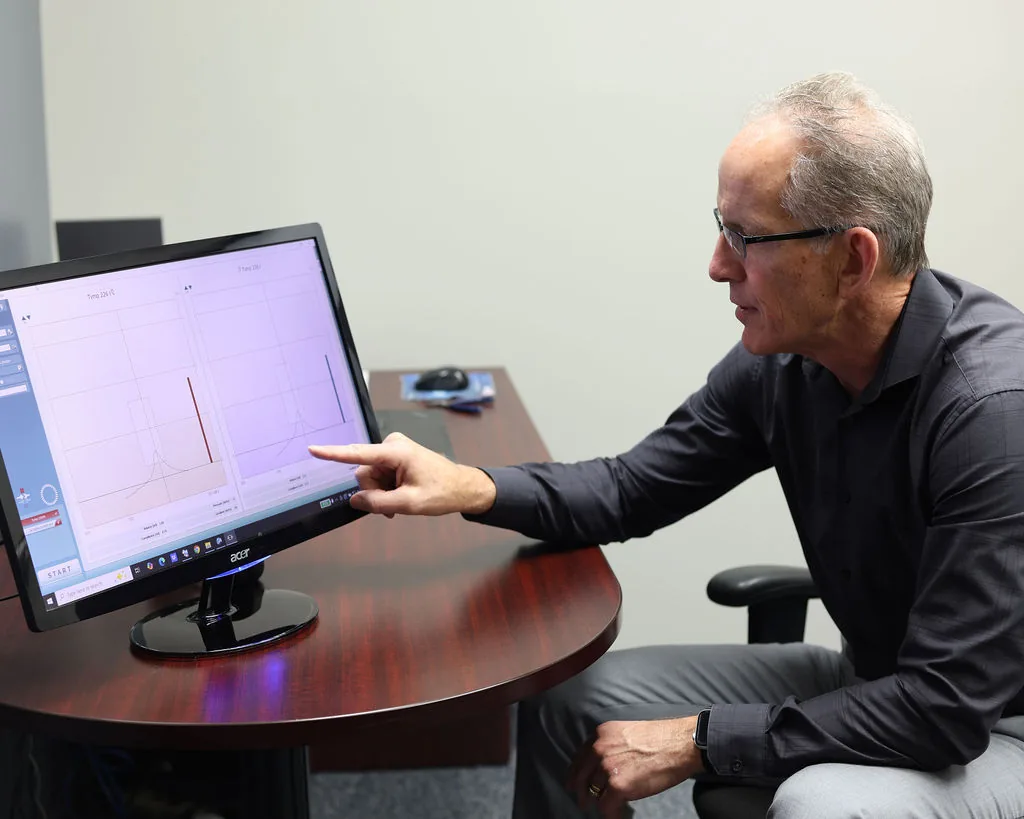
Tinnitus treatment starts with finding what's driving the sound, then matching relief to that cause. At Ontario Hearing Center in Rochester, NY, our audiologists treat tinnitus with sound therapy, hearing aids programmed for tinnitus relief, tinnitus retraining therapy, and coping strategies you can use at home.
Tinnitus is the perception of sound — ringing, buzzing, hissing, clicking, or roaring — when no external sound is present. It is not a disease itself but a symptom that can arise from a wide range of underlying conditions. Tinnitus affects an estimated 15% of adults and, for many, it significantly disrupts sleep, concentration, and quality of life.
If you are experiencing tinnitus, you are not alone — and there are effective strategies to help you manage it.
TL;DR
- Tinnitus has no single cure, but treatment reduces how loud and how intrusive it feels for most people who pursue it.
- Treatment begins with a hearing evaluation, because hearing loss sits behind a large share of tinnitus cases.
- Options include sound therapy, hearing aids with built-in tinnitus features, tinnitus retraining therapy, and cognitive behavioral techniques.
- Sudden tinnitus in one ear, pulsing tinnitus, or tinnitus with new hearing loss or dizziness should be evaluated promptly.
- Book an evaluation through our contact page or call (585) 442-4180.
What Causes Tinnitus?
Tinnitus can be triggered by many different factors. The most common cause is noise-induced hearing loss, but other contributing conditions include:
- Hearing loss — age-related or noise-induced damage to the inner ear is the most frequent cause
- Loud noise exposure — a single loud blast or years of exposure to high-decibel environments
- Ear infections or blockages — earwax buildup, fluid, or infection can produce tinnitus
- Medications — certain antibiotics, diuretics, aspirin in high doses, and chemotherapy drugs are known to cause or worsen tinnitus
- Cardiovascular conditions — high blood pressure or changes in blood flow can produce pulsatile tinnitus
- Head or neck injuries — trauma affecting the auditory nerve or related structures
- TMJ disorders — jaw joint problems can refer sound to the ear
- Stress and anxiety — while not a cause, stress can amplify the perception of tinnitus
The American Tinnitus Association notes that roughly 200 different health disorders can generate tinnitus as a symptom.
Types of Tinnitus
Understanding the type of tinnitus you experience helps guide evaluation and treatment.
Subjective Tinnitus
The most common form — only you can hear it. Usually caused by problems in the outer, middle, or inner ear, or the auditory nerve.
Objective Tinnitus
A rare form where a clinician can also hear the sound using a stethoscope. Often related to blood vessel problems, muscle contractions, or middle ear bone conditions.
Pulsatile Tinnitus
A rhythmic sound that pulses in sync with your heartbeat. This type warrants prompt medical evaluation as it can indicate vascular issues.
How Tinnitus Affects Daily Life
Tinnitus does more than create unwanted noise. For many people it leads to:
- Difficulty falling or staying asleep
- Trouble concentrating at work or during conversations
- Increased stress, anxiety, or depression
- Avoidance of quiet environments where tinnitus feels most prominent
- Withdrawal from social situations
Recognizing these effects is an important step toward seeking evaluation and management.
When to See an Audiologist
You should schedule an evaluation if:
- Your tinnitus started suddenly or is getting worse
- You hear tinnitus in only one ear
- Your tinnitus is pulsing in rhythm with your heartbeat
- You are experiencing dizziness or hearing loss alongside tinnitus
- Tinnitus is affecting your sleep, concentration, or wellbeing
Early evaluation helps identify treatable causes and allows your audiologist to develop a management plan before the condition becomes more disruptive.
Tinnitus Evaluation at Ontario Hearing Center
Our audiologists conduct a thorough evaluation that includes:
- A full case history covering medical background, noise exposure, and medications
- A comprehensive hearing test to assess whether hearing loss is present
- An assessment of tinnitus characteristics — pitch, loudness, and pattern
- Review of factors that may be worsening your symptoms
This evaluation gives us the information needed to recommend the right management approach for your specific situation.
Tinnitus Management Options
There is currently no single cure for tinnitus, but many effective management strategies exist. Our audiologists will recommend options based on your evaluation results.
Sound Therapy
Sound therapy uses background sound to reduce the contrast between tinnitus and silence, making the tinnitus less noticeable. Options include dedicated sound machines, smartphone apps, and hearing aids with built-in tinnitus programs.
Hearing Aids
When tinnitus is accompanied by hearing loss — which is common — properly fitted hearing aids can provide significant relief. Amplifying ambient sound reduces the prominence of tinnitus, and many modern hearing aids include dedicated tinnitus sound programs from brands like Oticon, Widex, Phonak, and ReSound.
Tinnitus Retraining Therapy (TRT)
TRT combines low-level sound therapy with counseling to help the brain reclassify tinnitus as a neutral signal — one that no longer demands attention. Over time, many people experience a significant reduction in awareness and distress.
Cognitive Behavioral Therapy (CBT)
CBT helps change the way you think about and respond to tinnitus. It does not reduce the sound itself but is one of the most evidence-backed approaches for reducing the emotional impact of tinnitus.
Lifestyle and Self-Management
Practical strategies can reduce tinnitus flare-ups:
- Protect your hearing in loud environments
- Reduce caffeine and sodium intake
- Practice stress management and regular sleep habits
- Avoid complete silence — keep ambient sound in the background
Tinnitus vs. Hyperacusis: Which One Do You Have?
Tinnitus is a sound you hear that has no outside source. Hyperacusis is everyday sound feeling painfully loud. They can show up together, and the treatment plans differ, so we sort out which one you're dealing with during your evaluation.
| Tinnitus | Hyperacusis | |
|---|---|---|
| What you notice | Ringing, buzzing, hissing, or humming with no outside source | Normal-volume sound feels loud, sharp, or physically uncomfortable |
| Common trigger | Noise exposure, hearing loss, ear infection, some medications | Noise exposure, migraine, head injury, sound sensitivity conditions |
| Typical first step | Hearing test plus tinnitus history and pitch matching | Hearing test plus loudness discomfort level testing |
| How we treat it | Sound therapy, hearing aids with tinnitus programs, TRT, CBT-based strategies | Gradual sound desensitization, counseling, custom ear protection |
| Learn more | You're on the right page | Hyperacusis |
Not sure which fits? Bring both descriptions to your appointment. We test for each rather than assuming.
Tinnitus Relief in Rochester, NY
Ontario Hearing Center has been helping people manage tinnitus in Rochester, NY for more than three decades. Our audiologists will evaluate your symptoms, identify contributing factors, and build a personalized management plan — whether that means sound therapy, hearing aids, counseling referrals, or a combination of approaches.
Contact us to schedule a tinnitus evaluation and take the first step toward relief.
Tinnitus Treatment FAQ
Is there a cure for tinnitus?
No, there's no proven cure that eliminates tinnitus in every case. Treatment works differently: it lowers how noticeable and how bothersome the sound is, and many people reach a point where they stop tracking it through the day. Anyone promising a guaranteed cure is overselling.
Can hearing aids treat tinnitus?
Yes, and they're one of the most useful tools we have when hearing loss is part of the picture. Restoring the sounds you've been missing gives your brain something else to attend to, and most current devices from Oticon, ReSound, Phonak, Widex, Starkey and Unitron include dedicated tinnitus sound programs we tune to your pitch.
What happens at a tinnitus evaluation?
We start with a full hearing test, then take a detailed history of your tinnitus: pitch, timing, which ear, what makes it worse. From there we build the treatment plan and review it with you the same visit.
When should tinnitus be checked right away?
Get seen promptly if tinnitus starts suddenly in one ear, if it pulses in time with your heartbeat, or if it arrives alongside new hearing loss, ear pain, or dizziness. Those patterns point to causes worth ruling out early rather than waiting to see whether the sound settles.
Does insurance cover tinnitus care?
Coverage varies by plan and by which services you receive. Our insurance page lists the plans we work with, and our team verifies your benefits before your visit.
Last updated: August 2026