
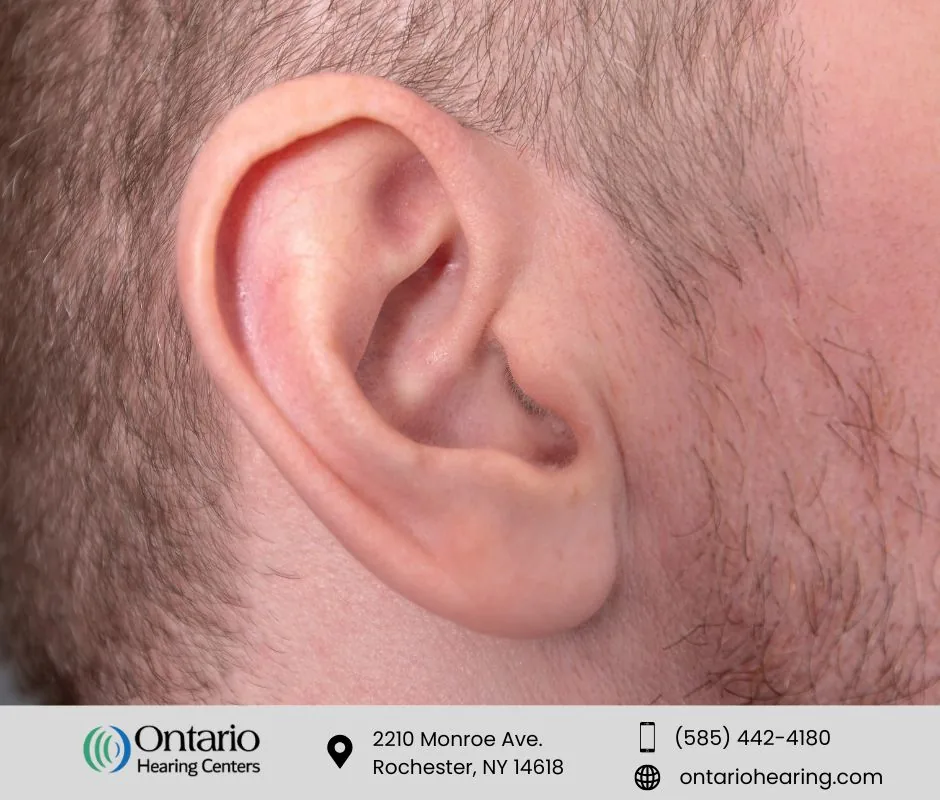
Ear wax, or cerumen, protects your ears by trapping dust, debris, and bacteria. However, too much ear wax can lead to hearing loss, discomfort, or ringing in the ears. This article explains why effective ear wax removal is important, how to safely manage buildup at home, and when to visit an audiologist for expert hearing care or hearing evaluations.
Understanding Ear Wax and Its Purpose
- Traps dust, dirt, and debris before they reach the eardrum
- Prevents bacteria and fungi from entering the ear canal to prevent dryness and itching
- Supports the ear’s self-cleaning process, as wax naturally moves toward the outer ear
In most cases, your ears take care of wax on their own. As you talk, chew, and move your jaw, old wax gradually works its way out. However, sometimes this natural cleaning process doesn’t work properly, leading to excessive ear wax buildup that needs attention.
Signs of Excess Ear Wax
Knowing the signs of excess ear wax can help you identify when it’s time to take action before the problem worsens.
Watch for these common symptoms:
Sudden or gradual hearing loss
Sounds may seem muffled or distant.
Fullness or pressure in the ear
You may feel like your ear is “plugged.”
Earaches or pain
Pressure from built-up wax can cause discomfort.
Ringing in the ears (tinnitus)
A constant or occasional ringing sound.
Dizziness or balance issues
Wax can interfere with the ear’s balance system.
Itchiness or odor
A sign of trapped moisture or mild infection.
If any of these symptoms appear, don’t try to fix it with cotton swabs or home tools. Instead, visit a hearing professional who can safely examine your ears and determine the best course of action.
Common Causes of Ear Wax Buildup
Several factors can interfere with the ear’s natural cleaning process and cause wax to accumulate.
Some common reasons include:
Using cotton swabs
Pushing a swab inside your ear can push wax deeper instead of removing it.
Frequent use of earbuds or hearing aids
These devices can block wax from leaving the ear canal.
Overproduction of wax
Some people’s glands naturally make more cerumen than others.
Narrow or curved ear canals
The shape of your ear can make it harder for wax to exit on its own.
While it might be tempting to “fix” ear wax buildup yourself, doing so without proper knowledge can worsen the problem or damage the delicate skin of the ear canal.
Why Effective Ear Wax Removal Matters
Ear wax becomes a problem when it builds up faster than it can leave the ear.
Excessive wax can block sound from reaching the eardrum and cause:
- Partial or sudden hearing loss
- A feeling of fullness or pressure in the ear
- Tinnitus (ringing or buzzing sounds)
- Discomfort or pain in one or both ears
- Dizziness or balance issues
- Itchiness or odor coming from the ear
These symptoms can mimic other hearing or ear conditions. That’s why effective ear wax removal (done the right way) is important to protect your hearing and avoid long-term damage.
Ontario Hearing Center has expert audiologists in Rochester, NY who can evaluate your ears, determine if your symptoms are due to wax buildup, and guide you toward the safest treatment.
Safe vs. Unsafe Ear Wax Removal Methods
Not every method you find online or hear about from others is safe for removing ear wax. In fact, many common home remedies can do more harm than good. The ear canal and eardrum are delicate, so even well-intentioned cleaning efforts can cause pain, infections, or long-term hearing problems.
Below are methods to avoid and safer ways to care for your ears at home.
Unsafe Methods
- Cotton swabs or Q-tips: These tools often push wax deeper into the ear canal instead of removing it. Over time, this can lead to impaction, pain, or even a ruptured eardrum.
- Hairpins, paper clips, or other sharp objects: These can scratch the skin of the ear canal, introducing bacteria and leading to infection or injury.
- Ear candling: Despite popular claims, ear candling has been proven ineffective and dangerous. It can cause burns, candle wax residue, or even damage to the eardrum.
- Excessive use of irrigation kits: While ear irrigation can sometimes be safe, using too much water pressure or doing it too often can irritate or damage the eardrum.
- Avoid inserting anything into your ear canal or trying to “dig out” wax manually: Your ears are designed to clean themselves gradually, and forcing the process can lead to more serious issues.
Safer At-Home Options
If your ears feel blocked but you don’t have pain or infection, there are a few safe ways to encourage natural wax removal at home:
- Wax-softening drops: Over-the-counter ear drops, such as those containing hydrogen peroxide or carbamide peroxide, can help loosen wax. Ask your pharmacist for the best recommendation for your ears.
- Warm olive oil or mineral oil: A few drops of body-temperature oil can help soften ear wax so it moves out naturally. Do not use oil if you have a perforated eardrum or ear infection.
- Warm washcloth: After showering, gently wipe the outer ear with a soft, warm cloth. Never insert it into the canal.
- Gravity drainage: After applying drops or oil, lie on your side for 5-10 minutes to let softened wax flow outward. Wipe away any residue that exits the ear.
If you try these methods for several days without relief, or if your symptoms worsen, it’s best to stop and consult an audiologist. Persistent blockage could indicate impacted wax or another ear-related issue that needs professional care.
When to See an Audiologist
If you have ongoing ear wax issues, muffled hearing, or recurring blockages, a licensed audiologist can help. Audiologists specialize in diagnosing and managing hearing health problems, including determining whether your symptoms are related to wax buildup or another cause.
At Ontario Hearing Center, our Rochester, NY audiologists can assess your hearing and guide you toward the safest next steps. While our clinic does not perform ear wax removal, we can identify whether wax is contributing to your hearing problems and recommend appropriate solutions.
Professional care ensures that you’re not overlooking a more serious hearing issue, and that any ear wax is managed safely.
The Link Between Ear Wax and Hearing Health
Ear wax buildup doesn’t just cause physical discomfort-it can also have a direct impact on hearing clarity. Blocked ears can make sounds seem muffled or distorted, sometimes leading people to believe they’re experiencing hearing loss when the real issue is simply excess wax. However, assuming every case of hearing difficulty is due to ear wax can be risky.
Attempting to remove wax yourself, especially with unsafe methods, can push it deeper and cause permanent damage. A simple hearing test performed by a qualified audiologist can identify whether your hearing problems are caused by wax, fluid, or a more serious underlying issue.
Ontario Hearing Center provides comprehensive hearing tests in Rochester, NY.
Preventing Ear Wax Problems
While you can’t prevent ear wax completely, you can take steps to minimize buildup:
- Avoid putting objects into your ears, even cotton swabs.
- Prolonged earbud or hearing aid use when possible.
- Use softening drops once every few months if you’re prone to buildup.
- Schedule regular hearing checks to monitor your ear health.
These simple habits can go a long way in preventing blockages and maintaining good ear hygiene.
Frequently Asked Questions
Can olive oil help with ear wax removal?
Yes, olive oil can safely soften ear wax and help it move out naturally, but it should only be used for mild buildup and never if you have ear pain, discharge, or a perforated eardrum.
Is ear irrigation safe for removing ear wax?
Ear irrigation can be safe when done by a professional or with proper home kits, but it’s not suitable for people with ear infections, tubes, or damaged eardrums. If you are not comfortable with putting a syringe in your ear, it’s best to let a professional remove your wax.
How often should ear wax be removed?
Most people don’t need regular removal since ears clean themselves. Wax should only be removed if it causes hearing loss, fullness, or discomfort.
How effective are ear drops for wax removal?
Over-the-counter ear drops can effectively soften and loosen ear wax, especially when used as directed for several days before professional cleaning if needed.
Final Thoughts
Ear wax might not be something you think about every day, but it plays an important role in protecting your hearing. The key is balance – having enough to protect your ears, but not so much that it causes problems.
If you’re struggling with buildup, resist the urge to try risky home remedies. The safest way to handle effective ear wax removal is with help from a professional.
Our trusted audiologists in Rochester, NY can assess your hearing, determine if your symptoms are caused by ear wax or something else, and guide you toward the right solution.
Schedule a professional hearing test today to get peace of mind and protect your ears for the future.